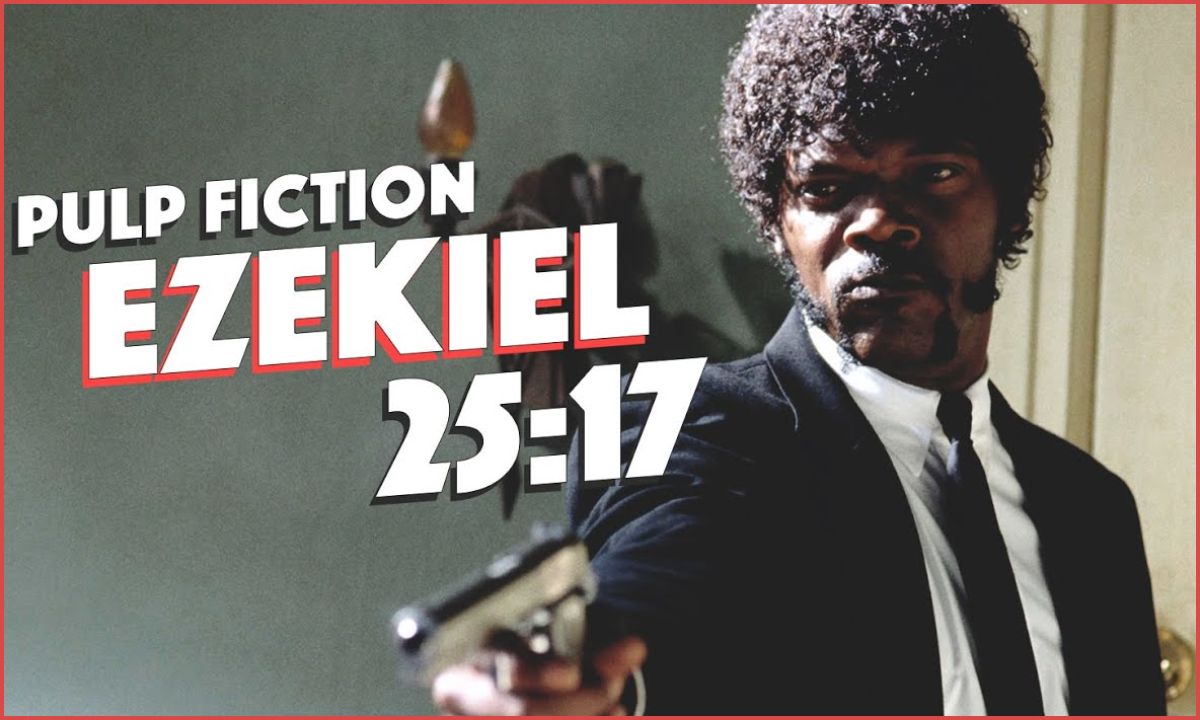
What Bible Verse Is Quoted in Pulp Fiction is one of the film’s most striking and unforgettable moments. Samuel L. Jackson, as Jules Winnfield, powerfully declares the path of the righteous man being beset on all sides by evil.
His words strike with great vengeance and furious anger against those who attempt to poison and destroy. Quentin Tarantino carefully shaped this speech to sound biblical, intense, and timeless.
What Bible Verse Is Quoted in Pulp Fiction is rooted in Ezekiel 25:17 but expanded with dramatic meaning that goes beyond scripture. Jules presents himself as the shepherd who protects the weak through the valley of darkness.
He warns that those who seek to poison and destroy will face thee with great vengeance and furious judgment. This blend of divine language and cinematic artistry created a powerful transformation in his character and made the scene legendary.
The Famous Verse from the Movie
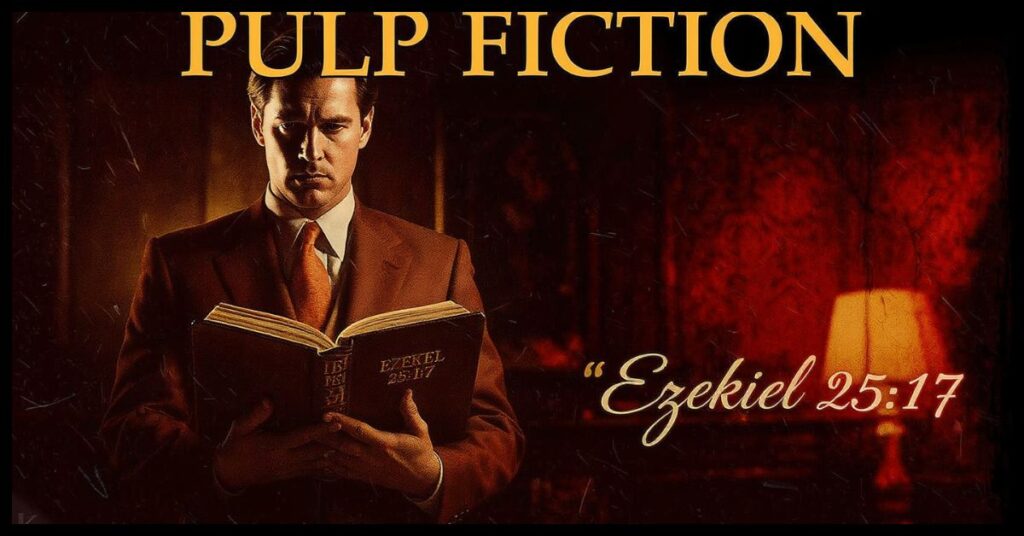
In Pulp Fiction, Jules Winnfield’s speech sounds like a sermon, beginning with “The path of the righteous man is beset on all sides by the inequities of the selfish and the tyranny of evil men.” The ending echoes
Ezekiel 25:17 (KJV):
“And I will execute great vengeance upon them with furious rebukes.”
Tarantino also drew on
Psalm 23:4:
“Though I walk through the valley of the shadow of death, I will fear no evil,”
mixing biblical tone with cinematic power (Tarantino, 1994).
What Ezekiel 25:17 Really Says
Ezekiel 25:17 is one of the most famous Bible verses in pop culture. Its impact grew after Pulp Fiction brought it to the big screen. What Bible Verse Is Quoted in Pulp Fiction has become a common question among fans. Samuel L. Jackson as Jules Winnfield delivers the chilling monologue with power.
He speaks of the path of the righteous being beset on all sides by evil men. He presents himself as a shepherd who protects the weak through the valley. He warns that those who attempt to poison and destroy will face great vengeance and furious anger.This dramatic speech, though powerful, is not the actual wording of the Bible. In truth,
the King James Version of Ezekiel 25:17 reads,
“And I will execute great vengeance upon them with furious rebukes,”
spoken as God’s judgment against the Philistines. Unlike the cinematic version, it omits references to righteous men or shepherds the weak. Similar echoes appear in Deuteronomy 32:35, reinforcing divine justice and God’s authority.
Why Did Tarantino Use This Verse?
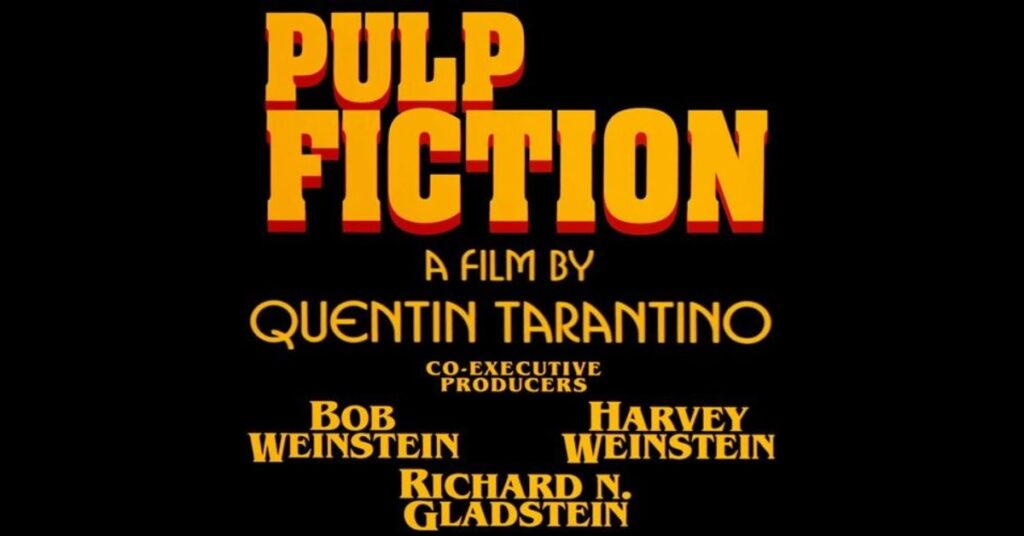
Quentin Tarantino chose Ezekiel 25:17 because it carried the authority of scripture while amplifying the dark, dramatic tone of Pulp Fiction. Jules Winnfield’s recitation feels like a sermon, invoking judgment and power against the selfishness and the tyranny of evil men. The line mirrors
Isaiah 13:11,
“I will punish the world for their evil, and the wicked for their iniquity,”
connecting to divine wrath. It also resonates with,
Romans 12:19,
“Vengeance is mine; I will repay, saith the Lord,”
highlighting how Tarantino used scripture to frame violence within moral reflection.
A Fictional Quote, A Real Message
Though Jules Winnfield’s speech in Pulp Fiction is a fictionalized take on Ezekiel 25:17, its message holds meaning beyond the screen. Quentin Tarantino crafted words that sound biblical, and Samuel L. Jackson delivered them with righteous fire. The idea of walking the path of the righteous, being beset on all sides by inequities, and resisting the tyranny of evil men echoes humanity’s timeless spiritual battles.
While the real verse speaks only of God’s vengeance on the Philistines, the cinematic version reflects the struggle between good and evil. Scripture such as Psalm 23:4 also reinforces God’s protection and guidance through darkness.
Scripture like Psalm 23:4,
“Though I walk through the valley of the shadow of death, I will fear no evil,”
points to divine guidance in darkness. Similarly,
Micah 6:8,
“What doth the Lord require of thee, but to do justly, and to love mercy, and to walk humbly with thy God,”
echoes Jules’s awakening to transformation.
Frequently Asked Question
What Bible Verse Is Quoted in Pulp Fiction?
Only the final lines are from Ezekiel 25:17, while the rest, delivered by Jules Winnfield, adds cinematic drama and spiritual weight.
Why Did Quentin Tarantino Modify the Verse?
He reshaped it to sound powerful, filled with great vengeance and furious anger, and to make Jules a shepherd who protects the weak.
How Does the Speech Affect Jules Winnfield’s Character Arc?
It marks his transformation from a righteous man beset by evil to a finder of lost children seeking redemption.
What Themes Are Highlighted in the Ezekiel 25:17 Speech?
The speech explores the path of righteousness, divine justice, vengeance, morality, and the tyranny of evil men.
How Do Audiences Respond to the Film’s Version of the Verse?
Viewers are captivated by the mix of scripture and cinematic storytelling, noting its spiritual and dramatic impact.
Final Thoughts
The Pulp Fiction Bible quote is more than a dramatic line, it blends scripture with cinema in a way few films achieve. Samuel L. Jackson as Jules Winnfield delivers it with great vengeance and furious anger. He speaks of the righteous man who is beset on all sides by the inequities of the selfish and the tyranny of evil men. Quentin Tarantino transformed Ezekiel 25:17 into a timeless cinematic moment.
What Pulp Fiction Bible Verse also marks a turning point for Jules. He moves from a keeper of wrath to one who seeks to shepherd the weak through the valley. He admits he no longer only lays vengeance but hopes to be a finder of lost children. This path of the righteous shows that even in Hollywood, good will shepherds can inspire reflection.

Jennifer Davis SEO specialist and blog writer with 5+ years of experience creating high-ranking, engaging content that drives traffic and boosts brands.